
Dog Ideal Weight Calculator
Is your dog a healthy weight? Enter their weight, pick the body condition description that fits best, and see the verdict.
Quick answer: A dog is at a healthy weight at a body condition score of 4 or 5 out of 9: ribs easy to feel under a light fat cover, a waist you can see from above, and a tummy that tucks up from the side. Scores 6–7 mean overweight, and 8–9 obese.
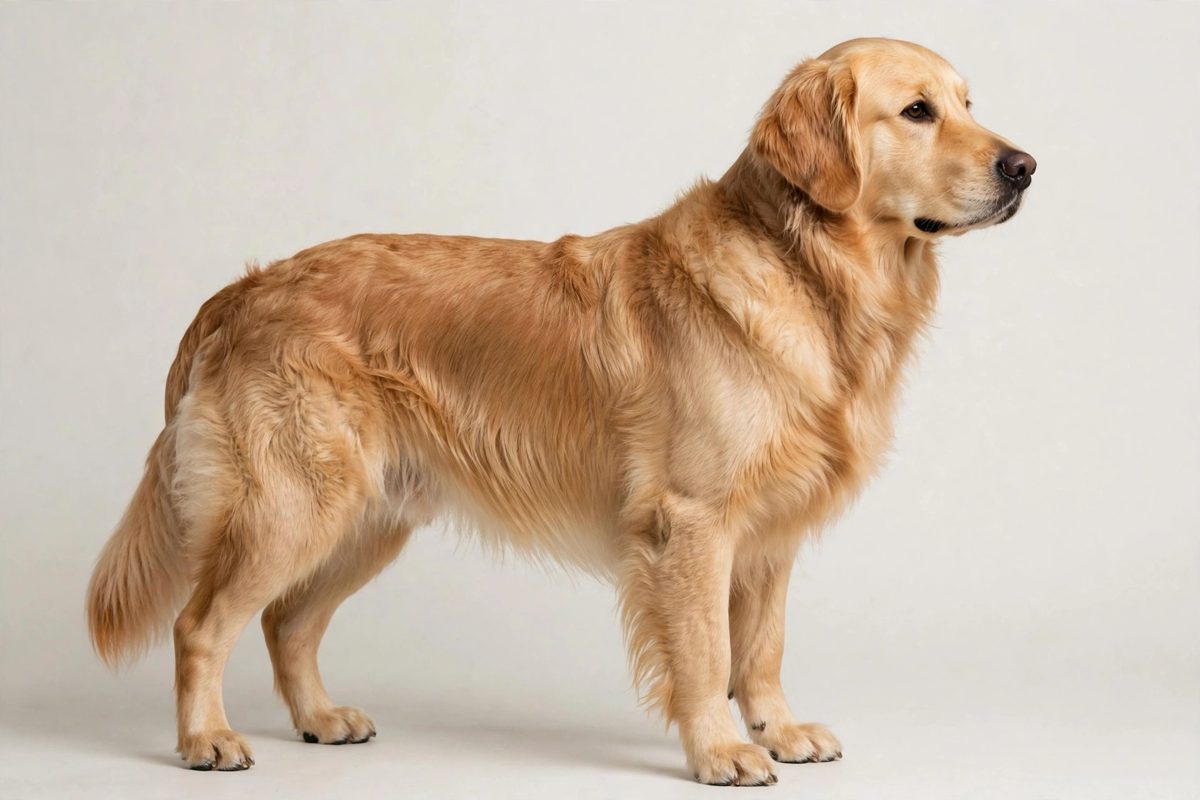
What is a normal weight for a dog?
There is no single normal weight for dogs, because dogs vary more in size than any other pet: a healthy Chihuahua and a healthy Great Dane differ by more than a hundred pounds. Even inside one breed, frame size varies. That is why vets judge a dog’s condition, not just the number on the scale. For the usual adult weight and height range of your dog’s breed, use our Dog Breed Size Calculator — then check condition here, because a dog can sit inside the breed range and still be carrying too much fat, or outside it and be perfectly lean.
Dog body condition chart
| Score | Label | What you see and feel | Compared with ideal weight |
|---|---|---|---|
| 1 | Underweight | Ribs, spine and hip bones stick out clearly; no fat cover; obvious loss of muscle | Well below — vet check |
| 2 | Underweight | Bones easy to see; very little fat; tummy tucked right up | Below — vet check |
| 3 | Underweight | Ribs and hip bones easy to feel with nothing over them; waist very narrow | Below — vet check |
| 4 | Ideal | Ribs easy to feel under a light fat cover; waist clear from above; tummy tucks up from the side | Ideal weight |
| 5 | Ideal | Ribs felt under a slight fat cover; waist visible from above and the side | Ideal weight |
| 6 | Overweight | Ribs felt only with firm pressure; waist barely visible from above | About 10% over |
| 7 | Overweight | Ribs hard to feel under fat; waist gone; fat over the back and the base of the tail | About 20% over |
| 8 | Obese | Ribs cannot be felt under a thick layer of fat; belly round, with no tuck | About 30% over |
| 9 | Obese | Ribs impossible to feel; heavy fat on the chest, back and tail base; belly wide and sagging | 40% or more over |
The percentages come from the standard veterinary nutrition table used with this scale: each score above 5 is about 10% more of the dog’s weight as fat. The labels follow the standard thresholds — 10 to 20% above ideal weight counts as overweight, and more than 20% above counts as obese.
How do you check your dog’s body condition at home?
Three checks, the same ones a vet starts with. Feel the ribs: run both hands flat over the ribcage, behind the front legs. At a healthy weight you can feel each rib easily under a light layer of fat, without pressing. Look from above: standing over your dog, you should see a waist narrowing behind the ribs. Look from the side: the belly line should tuck up from the chest towards the back legs, not run level or sag. Match what you find to the chart above. Thick coats hide a lot, so trust your hands more than your eyes on a fluffy dog.
Is my dog overweight or obese?
The words have set meanings. A dog 10 to 20% above their ideal weight is overweight; a dog more than 20% above it is obese. On the 9-point scale, that works out as scores 6 and 7 for overweight, and 8 and 9 for obese. The difference matters because the health risks climb with the amount carried — and because an obese dog needs a vet-supervised plan rather than simply smaller dinners. If your dog scores 6 or more, the estimate below the chart gives you the target to discuss with your vet.
How does this calculator work?
For scores above ideal, the calculator works backwards from the standard percentages. Each score over 5 is about 10% overweight, so the estimate divides the current weight: ÷1.1 at score 6, ÷1.2 at 7, ÷1.3 at 8, and at least ÷1.4 at 9. For scores 1 to 3 it gives no number at all: an underweight dog needs a vet check to find the cause, not a target from a screen.
Where these numbers come from: see our Sources page.
Worked example
A dog weighs 60 lb and matches score 7 — ribs hard to feel, waist gone. Score 7 is about 20% over ideal, so the estimate is 60 ÷ 1.2 = about 50 lb. That is the figure to take to the vet when you agree a feeding plan.
When should you see a vet about your dog’s weight?
See a vet if your dog scores 1 to 3 or 8 to 9, if the weight has changed quickly in either direction, or if your dog has gone off their food. Also ask before starting any weight-loss plan for a puppy, a pregnant or nursing dog, or a dog with an existing health condition: their calorie needs are different, and cutting food the usual way can do harm.
Dog ideal weight questions
How much should my dog weigh?
There is no single right number: a healthy weight depends on your dog’s breed, frame and body condition. A breed standard gives the usual range for the breed (see our Dog Breed Size Calculator), and the body condition score tells you where your own dog sits. A dog at a score of 4 or 5 out of 9 is at a healthy weight, whatever the scales say.
What is a dog’s ideal body condition score?
4 or 5 out of 9. At those scores the ribs are easy to feel under a light fat cover, the waist is visible from above, and the tummy tucks up from the side. Scores 1 to 3 are underweight, 6 and 7 overweight, and 8 and 9 obese.
Is my dog obese?
A dog counts as obese when they are more than 20% above their ideal weight, which matches a body condition score of 8 or 9 out of 9: the ribs cannot be felt under the fat, there is no waist, and the belly is round or sagging. Between 10 and 20% above ideal (scores 6 and 7) a dog is overweight rather than obese.
What does a body condition score mean?
It is a hands-and-eyes check of how much fat a dog is carrying, scored from 1 (very underweight) to 9 (obese). Vets use it because weight alone can mislead: two dogs of the same breed can weigh the same and be in very different condition. You score what you can feel at the ribs and see at the waist.
How can I tell if my dog is overweight without scales?
Use your hands and eyes. Feel the ribs: you should find them easily under a light fat cover. Look from above: there should be a waist behind the ribs. Look from the side: the tummy should tuck up towards the back legs. If the ribs need firm pressure to find and the waist has gone, your dog is carrying extra weight.
Why is my dog losing weight?
Unexplained weight loss is not something to monitor at home: it can be an early sign of illness, and the cause needs a vet’s check. If your dog is losing weight without a change in food or exercise, or has gone off their food, book a vet visit rather than waiting to see.
Next calculators you might need
Dog Weight Loss Calculator
A safe weekly target of 1–2% of body weight, with a calorie plan to match.
Live nowDog Breed Size Calculator
Standard adult weight and height for 50 breeds, and which size to pick in the other calculators.
Live nowDog Food Calculator
How many cups a day, from your dog's weight and your food's calories per cup.
Live now