Free · No sign-up · Every formula shown

Pet Calculators You Can Actually Check

Every calculator shows its formula and a worked example, so you can check the math yourself. All 31 tools are free, with no account and no sign-up.

A dog and a tabby cat resting together in the sunshine
✓≈ 2.5 cups a day
From the Dog Food Calculator

Most pet calculators online give you a number and ask you to trust it. No formula, no source, no way to check whether the answer is right. PetCalcly works the other way round.

Every calculator on this site shows its formula, names the veterinary source behind it, and walks you through a worked example — so you can check the math with a pencil if you want to. All 31 tools are free, with no account and no sign-up. Nothing you type is sent anywhere or stored, because every calculation runs in your browser.

Whether you want to know how old your dog is in human years, how many calories your cat needs a day, when your dog is due, or how much litter one cat uses in a month, the answer is here, with its reference listed on our Sources page. The formulas come from published veterinary references: the American Kennel Club (AKC) chart, the Merck Veterinary Manual, and AAHA and WSAVA guidance. If a figure on this site ever disagrees with your own vet, believe your vet. They have examined your animal, and a calculator has not.

Quick Answer

PetCalcly is a free set of 31 pet calculators for dogs and cats. Every calculator shows its formula and a worked example, so you can check the answer yourself. The tools cover age, food and calories, pregnancy, water intake, litter and crate size. No account, no sign-up, and nothing you type leaves your browser.

Featured

The Dog Food Calculator

Once you know the calories, this tool turns them into cups. Enter your dog's weight and your food's calories per cup, and it tells you how many cups a day to feed, with the math shown for 300, 350, and 400 kcal per cup foods.

  • The formula is shown on the page. Nothing is a black box
  • Worked example: a dog needing about 985 calories a day on a 400 kcal-per-cup food gets about 2.5 cups
  • Explains why the back of the bag overfeeds most dogs
  • Splits the daily amount into meals for you

Open the full Dog Food Calculator page for the worked example and feeding guide.

Dog Food Calculator

How much to feed your dog

–

    What Is PetCalcly?

    PetCalcly is a free set of calculators for dog and cat owners. Every tool answers one everyday question (how old is my dog in human years, how much food does my cat actually need, when are the puppies due) and shows you the formula and a worked example behind the answer, so you can check the number yourself instead of taking it on faith. You can browse the whole set on the All Calculators page.

    The tools are built for the moments owners actually face: bringing home a kitten and guessing at litter boxes, watching a belly grow after a mating, noticing an older dog slowing down. There is no sign-up and nothing to install — open a calculator, enter your pet's numbers, and read the answer with the reasoning underneath it. And because a calculator is never a vet, every page also tells you plainly when the right next step is a clinic visit, not a calculation.

    Not Sure Where to Start?

    Just Brought Home a Kitten or a Puppy?

    Start with the Cat Age Calculator or the Dog Age Calculator to find their life stage, then the Cat Litter Calculator if a litter box is part of the new routine.

    Your Dog or Cat Was Mated Recently?

    The Dog Pregnancy Calculator and Cat Pregnancy Calculator show the full due window and a week-by-week guide, including when a vet can confirm the pregnancy.

    Feeding Feels Like Guesswork?

    Begin with the Pet Calorie Calculator for the daily number, then turn it into real portions with the Dog Food Calculator.

    Your Pet Is Slowing Down, or Drinking More Than Usual?

    The Dog Life Expectancy Calculator puts their age in context, and the Pet Water Intake Calculator shows the normal range for their weight — and the level that means a vet visit.

    Our Free Pet Calculators

    Our most popular calculators are below — see all 31 on the All Calculators page.

    A puppy sitting beside an older dog

    Dog Age Calculator

    Convert your dog's age to human years with the AKC size chart, based on the AVMA rule of thumb. The first year counts as about 15 human years, the second adds about 9 more, and every year after that adds roughly 4 human years for small dogs and up to 7 for giant breeds. The old "multiply by 7" rule is wrong at both ends: a one-year-old dog is already a young adult, not a seven-year-old child. Try the worked example on the page: a five-year-old medium dog comes out at about 39 human years. The page also shows the UC San Diego DNA formula from Wang and colleagues (2020) as a second opinion, and explains why the two methods disagree in the middle years.

    Explore →
    A kitten beside a senior cat

    Cat Age Calculator

    Convert your cat's age to human years with the chart vets use: 15 human years for year one, 24 by year two, then 4 per year after that. The calculator works month by month from one month to 25 years, and it explains the life stages behind the numbers — kitten, young adult, mature adult, and senior. A senior cat's needs are different from a young adult's, so the page also covers what changes when your cat crosses into the senior years, using the AAHA/AAFP 2021 life-stage guidance.

    Explore →
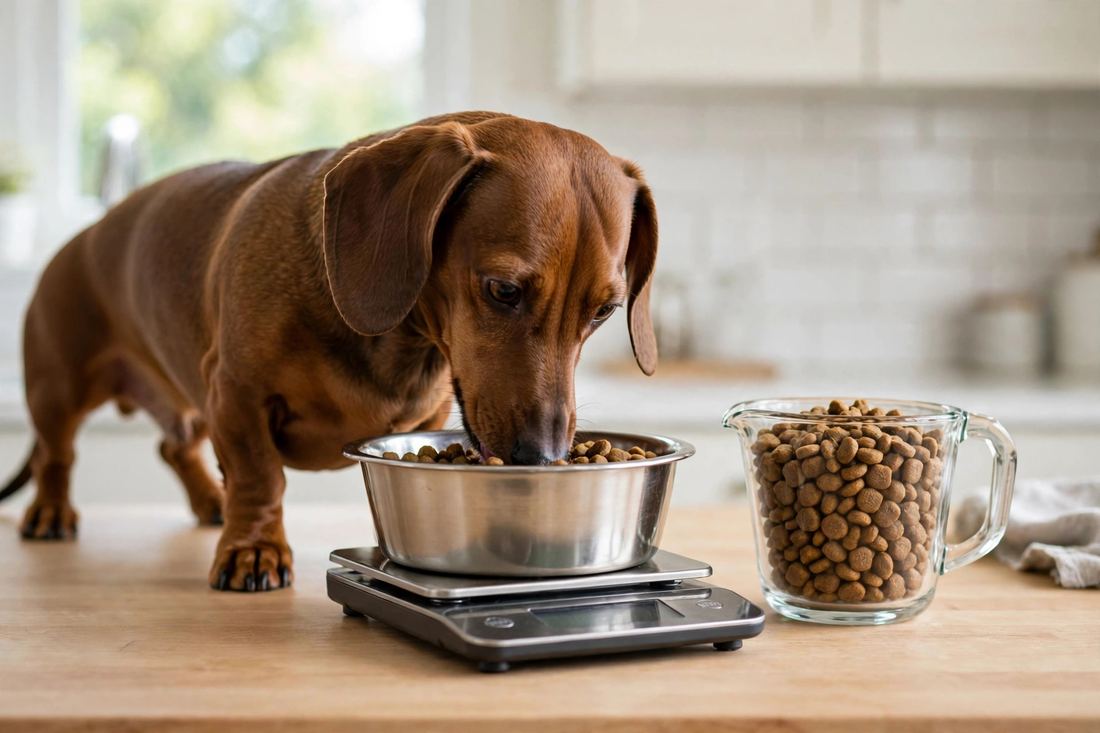
    Dog food being weighed on a kitchen scale

    Pet Calorie Calculator

    How many calories does your dog or cat need a day? This tool uses the resting energy requirement formula from the Merck Veterinary Manual: RER = 70 × (weight in kg)^0.75, multiplied by a life-stage factor for neutered, intact, active, overweight, or puppy and kitten stages. The worked example on the page is a 40-pound neutered dog, which comes out at about 985 calories a day. The page states the limits plainly: the formula gives a starting point with about ±30% variation between individual animals, so you adjust by watching your pet's weight over two to three weeks, not by trusting a single number.

    Explore →
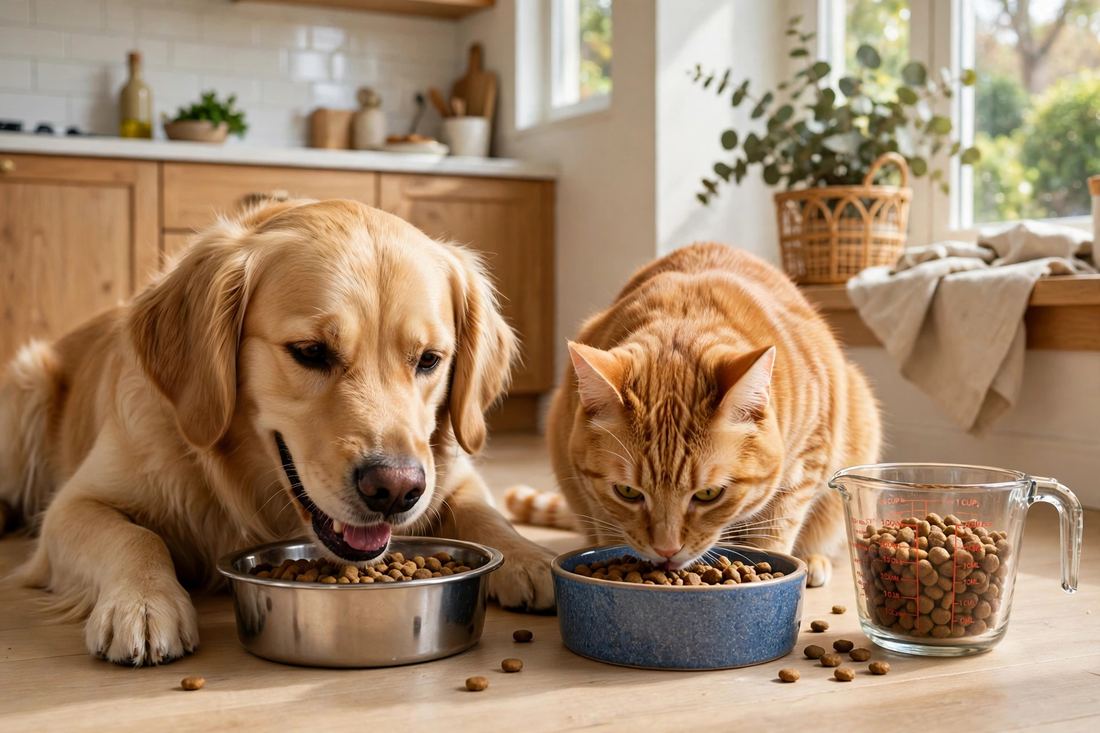
    A measured bowl of dog food

    Dog Food Calculator

    Once you know the calories, this tool turns them into cups. Enter your dog's weight and your food's calories per cup, and it tells you how many cups a day to feed, with the math shown for 300, 350, and 400 kcal per cup foods. The worked example is a dog needing about 985 calories a day on a 400 kcal-per-cup food: about 2.5 cups. The page also explains why the back of the bag overfeeds most dogs, and how to split the daily amount into two meals.

    Explore →
    A pregnant golden retriever resting on her bed

    Dog Pregnancy Calculator

    Enter the mating date and get the full due-date window. Dogs are due 58 to 72 days from mating, according to the Merck Veterinary Manual, and the calculator shows the full window with the most likely days in the middle. The page explains why a single due date is misleading, what signs to watch for in the last week, and when a vet visit is needed rather than a calculator.

    Explore →
    A pregnant cat resting at home

    Cat Pregnancy Calculator

    Cats are due at about day 65, with a normal window of 61 to 70 days. Enter the mating date and the calculator gives you the window, plus what to expect in each stage of the pregnancy and how to prepare a quiet nesting spot. If your cat goes past day 70, that is a vet question, not a calculator question, and the page says so plainly.

    Explore →
    A cat calling during her heat cycle

    Cat Heat Cycle Calculator

    When will your cat be in heat again? Enter the first day of her last heat and the calculator predicts the next one. A heat lasts about 6 to 7 days, and if she is not mated, the cycle repeats every 14 to 21 days during the breeding season. The page explains the four stages (proestrus, estrus, interestrus, and anestrus) and why indoor cats under artificial light often cycle all year round. This is one of the least-covered tools on the internet, and one of the most useful for owners of unspayed queens.

    Explore →
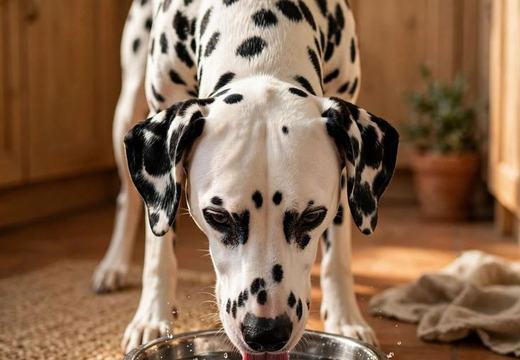
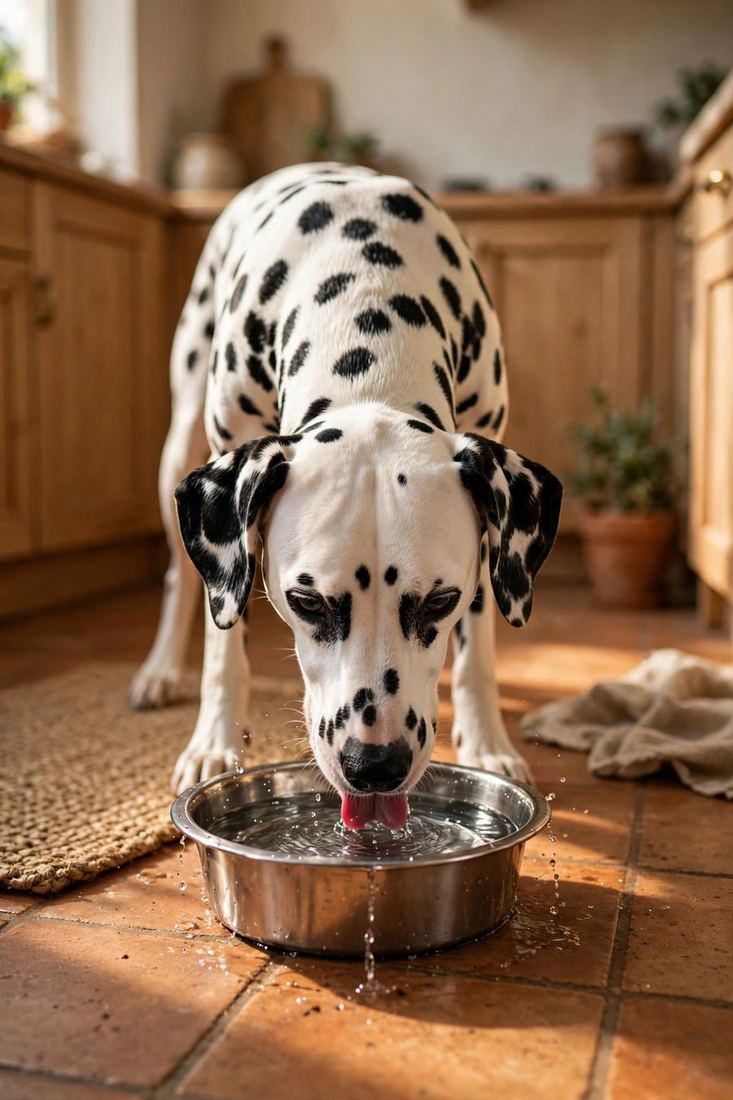
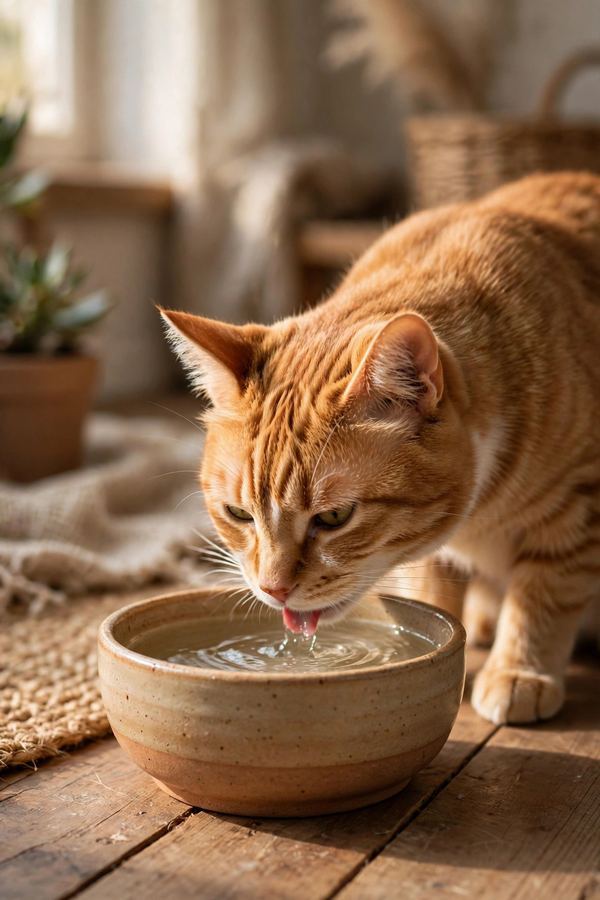
    A dalmatian drinking water from a bowl

    Pet Water Intake Calculator

    How much water should your dog or cat drink each day? The healthy range is 44 to 66 mL per kilogram of body weight a day, from the Merck Veterinary Manual. The calculator gives your pet's exact range from its weight, and the page explains the warning sign: drinking more than 100 mL per kilogram a day is called polydipsia, and it is a reason to call the vet, not to cut back the water. Never restrict a pet's water. The guide on the page shows how to measure intake with a jug over two to three days instead.

    Explore →
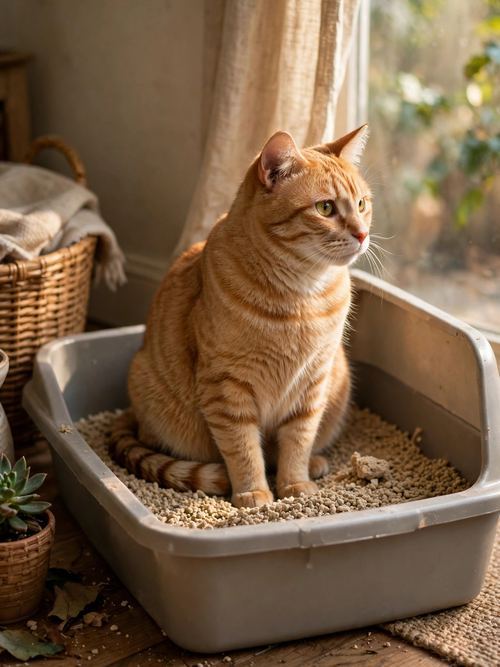
    A cat in her litter box

    Cat Litter Calculator

    Work out how much cat litter you use each month, and what it costs. The calculator uses the vet-recommended n+1 rule: one box per cat, plus one extra. One cat needs two boxes, two cats need three, and the boxes must be in separate rooms, not side by side. The worked example is one cat with two boxes using about 61 pounds of litter a month, at roughly $53. The page includes a density table for six litter types, so the math works whether you use clay, clumping, crystal, or pine.

    Explore →
    A dog resting comfortably in his crate

    Dog Crate Size Calculator

    Measure your dog nose to tail and floor to head, add 2 to 4 inches to each measurement, and get the smallest standard crate size that fits. The page covers the full range from 18 to 54 inches, with a breed table, and the worked example is a Labrador measuring 32 inches long and 27 inches tall, which needs a 42-inch crate. It also explains the fit test: your dog should be able to stand, turn around, and lie down stretched out — if it cannot, the crate is too small.

    Explore →
    A senior dog with a grey muzzle

    Dog Life Expectancy Calculator

    How long will your dog live? The answer depends mostly on size, and this tool shows the typical lifespan by size from US vet records, backed by three studies: Montoya and colleagues (2023, 13.3 million dogs), McMillan (2024), and Teng (2022). The range is wide: a Lancashire Heeler averages about 15.4 years while a Caucasian Shepherd averages about 5.4 years, and the page is upfront that these are population averages, not a prediction for your individual dog.

    Explore →

    Dog Calculators and Cat Calculators

    Dog Calculators

    Seven tools are built for dogs: Dog Age, Dog Food, Dog Pregnancy, Dog Crate Size, Dog Life Expectancy, plus the Pet Calorie and Pet Water Intake calculators, which work for both species. If you own a dog, start with the Dog Age Calculator to find your dog's life stage, then use the calorie and food calculators to get the daily amount right for that stage.

    Cat Calculators

    Six tools are built for cats: Cat Age, Cat Pregnancy, Cat Heat Cycle, Cat Litter, plus the shared Pet Calorie and Pet Water Intake calculators. Cat owners usually arrive with one of two questions (how old is my cat, or when is she in heat again) and both answers are one click away. The litter calculator and the litter-box guide go together: the tool gives you the number, the guide explains where to put the boxes.

    Browse by Category — The 5 Hubs

    A senior labrador resting

    Age & Growth

    A dog's first year is worth about fifteen of ours, and after that, size decides the speed — a small dog and a giant breed age very differently. These tools turn a birth date, or your best estimate, into a life stage, so you know whether you are living with a teenager, an adult or a senior, and what that stage usually asks of you: different food, different exercise, different vet checks. Tools in this hub: Dog Age Calculator, Cat Age Calculator, Dog Life Expectancy Calculator.

    Explore →

    A dog and a cat eating from their bowls side by side

    Feeding & Nutrition

    Most feeding questions go wrong at the same place: the scoop. These tools start from resting energy (the calories your pet burns just staying alive), adjust for age, activity and neutering, then turn the result into cups or grams of the food you actually have. Portions and calories worked out the way vets work them out, without the guesswork printed on the bag. Tools in this hub: Pet Calorie Calculator, Dog Food Calculator and Cat Food Calculator.

    Explore →

    A pregnant dog resting at home

    Pregnancy & Puppy Care

    Pregnancy runs on windows, not single days: a dog's due date is a range of about two weeks, and a cat's season decides when pregnancy is even possible. These calculators show the full window and the week-by-week picture, plus the dates that matter, when a vet can confirm it, when to start watching closely, and when waiting is no longer safe. Tools in this hub: Dog Pregnancy Calculator, Cat Pregnancy Calculator, Cat Heat Cycle Calculator.

    Explore →

    A vet examining a dog with a stethoscope

    Health & Safety

    Health numbers have a normal range — and a line where keeping an eye on things becomes calling the vet today. Drinking is the clearest one: too little and too much both mean something, and the right amount depends on your pet's weight and food. This section starts with daily water intake and grows from there, always showing the normal range for your pet and the point where the answer stops being a calculation. Tools in this hub: Pet Water Intake Calculator, Dog Weight Loss Calculator and Cat Weight Loss Calculator.

    Explore →

    Pet care supplies laid out on a table

    Cost & Care

    Ownership has a running meter: litter by the bag, food by the month, the right-sized crate bought once instead of twice. These tools turn "it all adds up" into an actual figure for your pet (what things use up, what they cost, and what size to buy), so you can plan the cost of care instead of discovering it at the till. Tools in this hub: Cat Litter Calculator, Dog Crate Size Calculator.

    Explore →

    Which Everyday Numbers Are Worth Knowing?

    Dog Years Are Not "Times Seven"

    The first year of a dog's life is worth about 15 human years, the second brings it to 24, and after that size takes over — about 4 a year for a small dog, up to 7 for a giant breed. That is why the Dog Age Calculator asks for size, not just age.

    A Dog's Due Date Is a Window, Not a Day

    Counted from mating, pregnancy runs 58 to 72 days — the famous "63 days" is counted from ovulation, which you usually do not know. The Dog Pregnancy Calculator shows the whole window so you are ready from the early end.

    Cats Have a Breeding Season; Dogs Don't

    Cats come into heat from spring through early autumn and can have litter after litter in one season, while a dog cycles about twice a year in any month. It changes how you plan: see the Cat Pregnancy Calculator and the Cat Heat Cycle Calculator.

    Water Has a Normal Range — and a "Too Much"

    Dogs and cats typically drink 44 to 66 mL per kilo of body weight a day. Sustained drinking over about 100 mL per kilo is the level vets treat as excessive thirst, and it is worth a visit. The Pet Water Intake Calculator turns your pet's weight into cups and ounces.

    Calories Come From a Formula, Not the Bag's Guess

    Vets start from resting energy (70 × (weight in kg)^0.75) and multiply by life stage. It is the same math behind the Pet Calorie Calculator and the Dog Food Calculator, and it is why two dogs of the same weight can need very different amounts.

    How Do Our Calculators Work?

    Every Formula Is Named on the Page

    No black boxes. The dog-age page shows the AKC chart. The calorie page shows RER = 70 × (weight in kg)^0.75. The water page shows the Merck range of 44 to 66 mL per kilogram. If your vet uses a slightly different figure, you can see exactly where ours came from and have a real conversation about it.

    Ranges Where Vets Give Ranges

    If the answer is a range, that is what the page says. A dog's due date is a window of 58 to 72 days. Healthy water intake is a band, not a magic number. Calorie needs vary by about ±30% between individual animals. A calculator that gives you one exact number for these questions is pretending to know more than it does.

    Nothing You Type Leaves Your Browser

    The calculators run entirely in your browser. Your pet's age, weight, and measurements are never sent to a server, never stored, and never sold. There is no account, no email gate, and no "sign up to see your result." The result is yours the moment you enter the numbers.

    A Calculator Is a Starting Point, Not a Vet

    Every tool page carries a short disclaimer, and the safety pages always put emergency advice first. Calculators give general estimates for healthy pets based on published guidelines. They cannot see your pet, run a test, or know its history. Anything that worries you about your pet is a vet question.

    Where Do the Numbers Come From?

    Every figure on this site traces back to a published veterinary reference. The table below names the source behind each calculator.

    CalculatorWhat It UsesSource
    Dog Age CalculatorSize-based chart: 15 human years for year one, +9 for year two, then +4 to +7 per year depending on sizeAmerican Kennel Club chart, based on the AVMA rule of thumb; UC San Diego DNA formula (Wang et al., 2020)
    Cat Age Calculator15 human years for year one, +9 for year two, then +4 per yearProfessional convention used by International Cat Care and the AVMA
    Pet Calorie CalculatorResting energy need = 70 × (weight in kg)^0.75, multiplied by a life-stage factorMerck Veterinary Manual; AAHA nutrition guidance
    Dog Food CalculatorDaily cups = daily calories divided by the food's kcal per cup (shown for 300, 350 and 400 kcal-per-cup foods)Merck Veterinary Manual calorie basis (RER); food label energy density
    Dog Pregnancy CalculatorDue-date window of 58 to 72 days counted from matingMerck Veterinary Manual
    Cat Pregnancy CalculatorDue at about day 65, normal window 61 to 70 daysMerck Veterinary Manual
    Cat Heat Cycle CalculatorHeat lasts about 6 to 7 days; unmated cycle repeats every 14 to 21 days in the breeding season (proestrus, estrus, interestrus, anestrus)Merck Veterinary Manual, feline reproduction
    Pet Water Intake CalculatorDaily water need of 44 to 66 mL per kg of body weightMerck Veterinary Manual
    Cat Litter CalculatorOne box per cat, plus one extra (the n+1 rule)AAHA feline guidelines
    Dog Crate Size CalculatorBody length and height, plus 2 to 4 inches on each; standard sizes 18 to 54 inches; fit test — stand, turn, lie stretched outStandard crate-sizing and fit guidance
    Dog Life Expectancy CalculatorTypical lifespan by size from US vet recordsMontoya et al. 2023; McMillan 2024; Teng 2022

    Why Do Pet Owners Use PetCalcly?

    Sourced First, Not Search-First

    Every calculator starts from a published veterinary reference, and the page tells you which one. The dog-age chart is the AKC's. The calorie formula is Merck's. The litter rule is AAHA's. If a tool cannot be sourced, it is not built.

    Clear About Uncertainty

    Where the reference gives a range, the page shows a range. Where the evidence is a convention rather than a study (like the cat-age chart), the page says so. Where the answer varies by individual animal, like calorie needs, the page gives the ±30% warning instead of hiding it. A calculator that admits what it does not know is more useful than one that pretends to know everything.

    Emergency Advice Comes First

    The safety pages on this site always start with "call your vet," never with a dose chart. If your pet may have eaten something poisonous, call your vet or an emergency clinic straight away. Our disclaimer page lists the US poison helplines. Do not induce vomiting unless a vet tells you to. PetCalcly will never call any amount of grapes, raisins, xylitol, onion, garlic, or human painkillers "safe," and it will never give poisoning treatment or drug dosages.

    No Accounts, No Gates, No Spam

    Every tool is free. There is no premium tier, no email capture before your result, and no paywall. The site is supported by advertising, which never sits between you and a result.

    Newest Calculators

    Puppy Weight Calculator

    How big will my puppy get? Enter the current age and weight, and the calculator will predict the adult weight by size class, using published growth data.

    Explore →

    Cat Food Calculator

    The cat version of the dog food tool: calories to cups and grams, for wet and dry food, with the same formula shown on the page.

    Explore →

    Cat Weight Loss Calculator

    The same plan for cats, where weight loss must be slow and steady: crash diets in cats can cause fatty liver disease, so the calculator builds in a safe rate.

    Explore →

    Pet Care Guides

    All 6 guides below — last reviewed November 2026.

    A golden retriever puppy

    Why "Multiply by 7" Is Wrong for Dog Years

    The real science of dog aging, and why the old 7-year rule misleads at both ends. A one-year-old dog is already a young adult, and a fifteen-year-old small dog is about 76 in human years, not the 105 the old rule suggests.

    Explore →
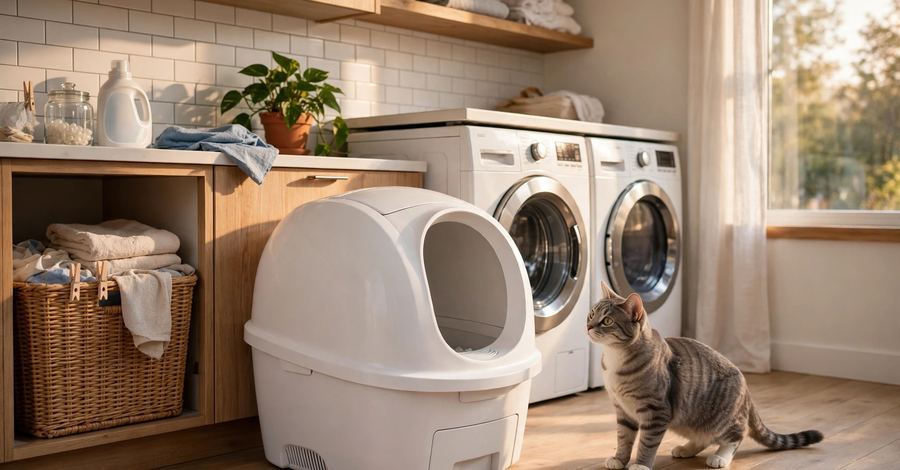
    A cat beside an automatic litter box

    How Many Litter Boxes Do I Need?

    The boxes-per-cat rule, where to put them, and the mistakes that cause accidents — including the one most owners make, which is putting two boxes side by side and counting them as two locations.

    Explore →

    Frequently Asked Questions

    Are the calculators really free?

    Yes. Every tool is free to use, with no account and no sign-up. The site is supported by advertising, which never sits between you and a result. There is no premium tier and no paywall.

    Where do the formulas come from?

    From published veterinary references — the AKC and AVMA dog-age chart, the Merck Veterinary Manual, AAHA and AAHA/AAFP life-stage guidelines, and peer-reviewed studies where a tool uses one. Our Sources page lists the reference behind each calculator, and the references table on this page lists them all in one place.

    Can these calculators replace my vet?

    No. They give general estimates for healthy pets based on published guidelines. They cannot see your pet, run a test, or know its history. Anything that worries you about your pet is a vet question. If your pet may have eaten something poisonous, call your vet or an emergency clinic right away — the US poison helplines are listed on our disclaimer page.

    Do you store the details I enter?

    No. The calculators run in your browser on this page. Your pet's age, weight, and measurements never leave your device. There is no account to create and no email address to give.

    How accurate are the results?

    They are as accurate as the published formulas behind them — which means they are good starting points, not exact measurements. Calorie needs vary by about ±30% between individual animals. Due dates are windows, not single days. Life expectancy figures are population averages. Use the result as a starting point, then adjust by watching your own pet.

    Which calculator should I start with?

    If you have a dog, start with the Dog Age Calculator to find your dog's life stage, then use the Pet Calorie Calculator to get the daily amount right for that stage. If you have a cat, start with the Cat Age Calculator — or the Cat Heat Cycle Calculator if you have an unspayed queen.

    What should I do in a pet emergency?

    Call your vet or an emergency clinic first. If your pet may have eaten something poisonous, the US poison helplines are listed on our disclaimer page. Do not induce vomiting unless a vet tells you to, and do not wait to see if symptoms appear.

    Final Word

    PetCalcly exists for one reason: pet owners deserve numbers they can check. Most calculator sites ask you to trust a number with no formula and no source. This site shows the formula, lists its references on our Sources page, works through an example, and tells you where the answer might be wrong. That is a slower way to build a calculator, but it is the only way that holds up.

    Start with the tool you need (the dog age, the calories, the due date, the litter math) and check the work for yourself. If a number on this site ever disagrees with your vet, believe your vet. And if you find a mistake, tell us through the contact page. Corrections go to the front of the queue, because a wrong number on a pet site is not a typo. It is a pet eating the wrong amount, or an owner waiting for the wrong day.

    PetCalcly · https://petcalcly.com/ · Published November 2026, last updated 20 November 2026 · Calculators give general estimates from published veterinary guidelines. They are not veterinary advice.